One of the results of organising this competition, amongst others, is the quality of illustration and drawing exhibited by the school teams across the age groups.
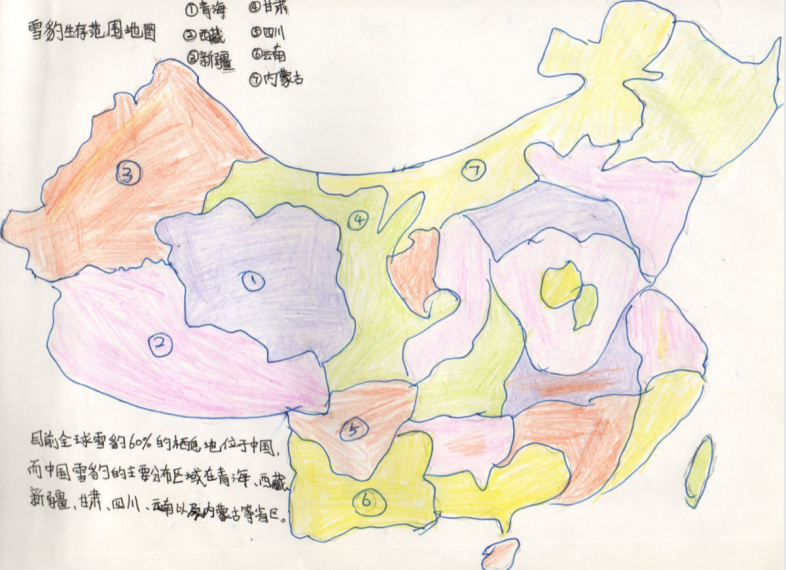
The drawings of the distribution of snow leopards and maps of China submitted by the Hangzhou World Foreign Language school in the 9-11 age group are charming (above). What is equally stunning is the wonderful illustration of a tiger painted drone with a tiger faced centre submitted by Ravenswood School For Girls in the same age group. Their power point report is also very well done.
The photo and reasoning of the drone design submitted by the No. 2 High School of East China Normal University are equally clear in the 15-17 age group.
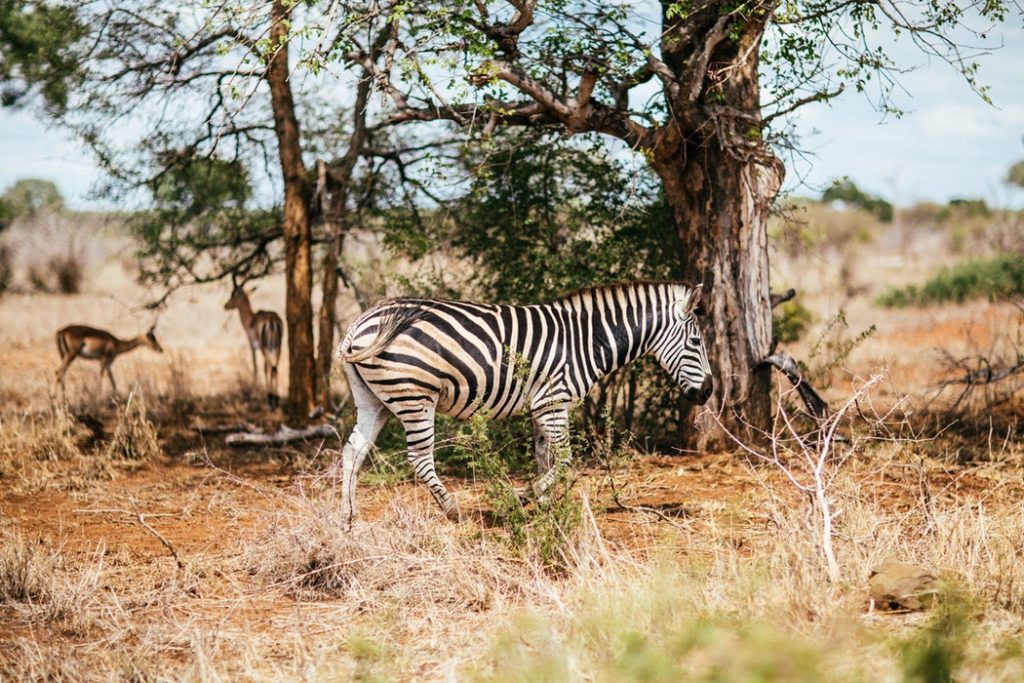
Many of the drone designs in the older groups are fascinating and ingenious. One submission that stands out technically is from the Koszaline secondary school 1 LO 1m for the preservation of Gray’s Zebra. Their innovative design and technical reasoning is amazing.
The imaginative use of material in construction of the designs was surprising. No 2 School Shanghai’s reasoning for and explanation of using graphene in their drone is very interesting. Queen Elizabeth’s School Barnet’s reasoning for using a fixed wing design is equally impressive in their desire to help the Black Rhino. The clear reasoning and explanation of the design of India’s Visakha Valley School’s drone design including a clever use of Raspberry Pi in the desire to track the Red Panda in it’s environment is fascinating.
Hisar School from Istanbul intriguingly propose to use of mycelium as a material in the construction of their drone designed to assist Mountain Gorillas and Pangolins.
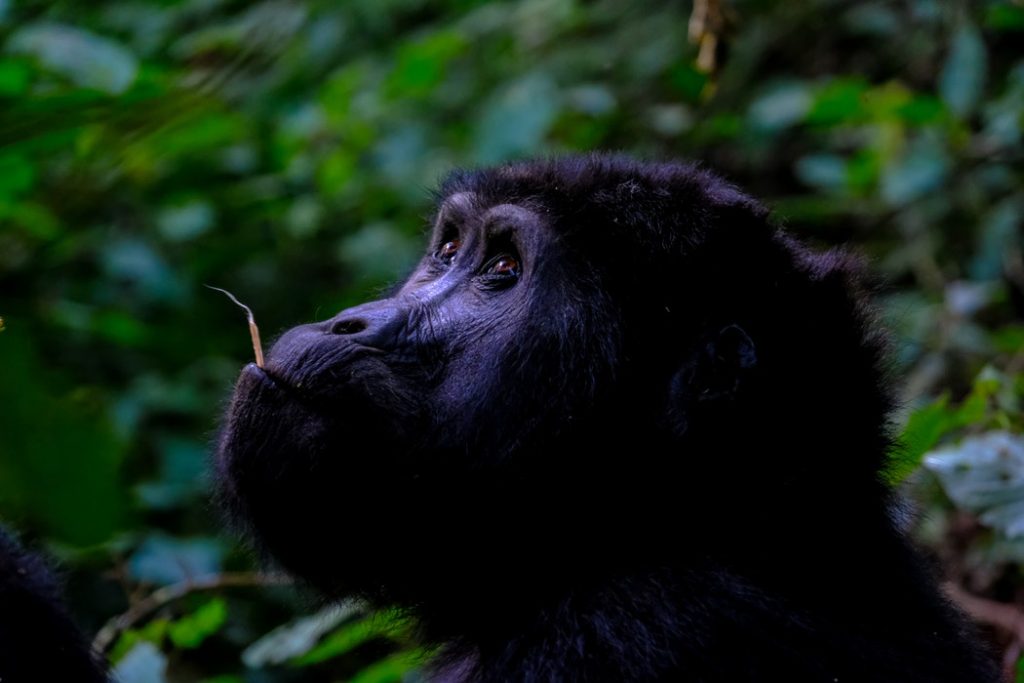
Other finalists have chosen to help complex toothed flying squirrels, basking sharks, tasmanian devils and other endangered animals with their projects and the finals in July look to be a very exciting and rewarding occasion.